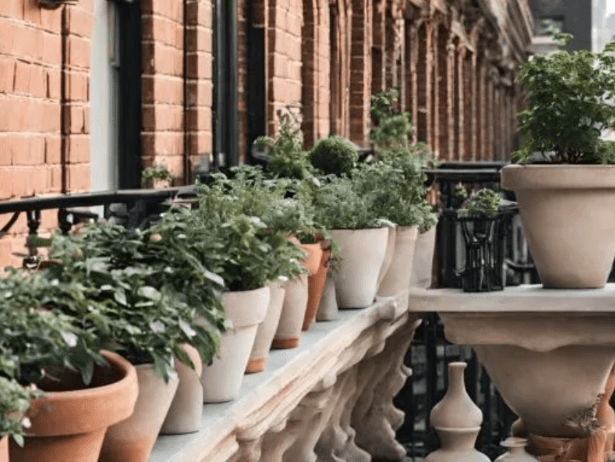
Fresh produce is a grocery-list staple, but what if some of the vegetables and herbs you regularly purchase could grow right outside your door? Even without a traditional backyard, you can turn a balcony, patio, rooftop, or small garden into a productive planting area. Growing from seed gives you more control over what you cultivate and lets you harvest fresh ingredients close to home.
The challenge is making the most of your available space. Not every crop thrives in a container, and successful planting requires the right combination of seeds, sunlight, growing medium, and planter size. At Pottery King, we help customers find pottery and planters suited to their gardening goals, making it easier to build a planting space that works as hard as it looks good.
Start With The Produce You Actually Want To Eat
A productive container garden begins with a practical question: What do you regularly buy at the grocery store? Instead of choosing seeds simply because they look interesting, consider the ingredients you use throughout the week. Herbs, salad greens, tomatoes, peppers, and other vegetables can make useful additions to a home growing project.
Choose Crops That Fit Your Available Space
Some vegetables adapt particularly well to containers. Leafy greens and herbs can grow in relatively compact spaces, while fruiting plants such as tomatoes and peppers generally need larger containers and more sunlight. The University of Maryland Extension’s guide to growing vegetables in containers recommends looking for bush or dwarf varieties when space is limited.
Start with a manageable selection, such as:
- Lettuce, spinach, and arugula for fresh salads
- Basil, parsley, and cilantro for everyday cooking
- Radishes and beets for compact root crops
- Bush beans for a productive container option
- Compact tomato and pepper varieties for sunny patios
Think about which ingredients you use most often, then choose seeds suited to your growing conditions. A small selection of crops you enjoy can provide more value than a large collection that requires more room and maintenance than you can manage.
Give Seeds The Right Planter To Grow
Seeds need room to develop roots, access to water, and enough growing medium to support healthy growth. Choosing a container based only on its appearance can create problems later, especially when a plant outgrows its pot.
Match Planter Size To The Crop
Small containers work well for some herbs and greens, but tomatoes, peppers, and cucumbers need more room. Check seed packet instructions for spacing and growing recommendations before choosing a planter. Also consider the mature size of the plant, not just the size of the seedling.
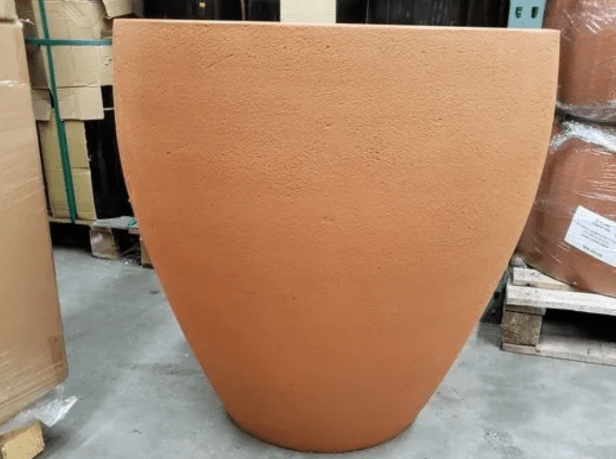
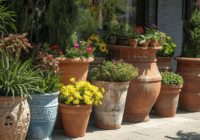
Our terracotta planter collection offers traditional clay options in a variety of shapes and sizes. Terracotta planters have porous walls that allow air and moisture to pass through, which can benefit plants that prefer well-drained soil. Keep in mind that the material can dry out faster than nonporous containers, so check moisture regularly.
Consider Material, Drainage, And Placement
The planter should support the crop and the environment where you intend to grow it. A large container on a rooftop or balcony needs careful weight consideration, while a smaller patio garden may benefit from containers that are easy to arrange.
Our fiberglass planter options provide lightweight alternatives for a range of planting layouts. We also offer indoor pottery for herbs and other plants suited to indoor growing.
Whatever material you choose, make sure the container has appropriate drainage. Use a quality potting mix formulated for containers, and avoid overcrowding plants. These details help roots access the air, water, and growing room they need.
Build A Growing Routine That Supports Your Harvest
A planter and a packet of seeds are only the beginning. Your crops also need suitable light, consistent watering, and care that reflects their individual growing requirements. Before planting, observe your intended location throughout the day. Fruiting vegetables generally need more direct sunlight than many leafy greens.
Plan Around Sunlight And Seasonal Conditions
The University of Maryland Extension notes that warm-season crops such as tomatoes and peppers generally need six to eight hours of direct sunlight, while cool-season crops such as lettuce and spinach can grow with less. Follow local planting calendars and seed packet instructions to determine when to sow each crop.
Container gardens also need frequent attention because their growing medium can dry faster than garden soil. Check moisture regularly rather than relying on a fixed watering schedule. As plants mature, thin seedlings when needed and support crops that grow tall or produce heavy fruit.
Make Room For A Practical Harvest
You do not need to grow every ingredient you eat. A few containers of herbs and greens can supplement grocery purchases, while larger planters can support selected vegetables. Harvesting leaves or produce as plants mature can also help you use the space over time.
Find Planters And Guidance For Your Growing Project
Whether you are creating a small kitchen garden or furnishing a larger outdoor planting area, the right pottery makes a difference. Pottery King has served customers since 1997, growing from a small Long Island storage operation into a 60,000-square-foot facility. We work with gardeners, growers, landscapers, garden centers, and other customers looking for dependable planter options.
Our inventory includes terracotta, fiberglass, garden pottery, and indoor products. We can help you compare styles, materials, and sizes based on your project requirements. Explore our commercial wholesale planters to see more of the options available.
For customers planning projects in the New York area, our shipping information outlines delivery options, including weekly deliveries across Long Island and messenger delivery in Manhattan, Brooklyn, and Long Island City, subject to availability. You can also review our frequently asked questions or contact our team to discuss your needs.
Grow More Of What You Love With Pottery King
Growing your own produce can make a balcony, patio, rooftop, or garden more useful while giving you a fresh source of selected herbs and vegetables. The best results start with realistic crop choices, suitable seeds, enough sunlight, and planters that give each plant room to grow. You may not replace every grocery-store purchase, but you can make your own growing space a productive part of your routine.
Pottery King is a reliable, informed resource for buyers exploring planters that NYC gardeners and property owners can use for projects of many sizes. We offer a broad selection of pottery and the experience to help you understand your options before you buy. When you have questions about planter materials, sizes, or styles, our team is ready to help you find a practical fit.
Call us at (631) 451-1254 or request a quote to discuss your project. Let Pottery King help you choose the right planters for the crops you want to grow.
Frequently Asked Questions
1. What Vegetables Are Easiest To Grow In Containers?
Leafy greens, radishes, herbs, and compact varieties of tomatoes and peppers are popular container choices. Select crops based on your available sunlight and planter size.
2. Can I Grow Vegetables From Seeds In Planters?
Yes. Follow the seed packet’s instructions for planting depth, spacing, timing, and care. Choose a container with enough room for the mature plant and its roots.
3. How Much Sunlight Does A Container Vegetable Garden Need?
Requirements vary by crop. Many fruiting vegetables need six to eight hours of direct sunlight, while some leafy greens tolerate lower light levels.
4. Are Terracotta Planters Good For Growing Vegetables?
Yes. Terracotta planters can support vegetables that benefit from well-drained soil. Their porous walls allow moisture to evaporate, so check soil moisture regularly.
5. What Size Planter Do I Need For Tomatoes?
The appropriate size depends on the tomato variety. Compact varieties can grow in smaller containers, while standard or larger plants need more root space. Check the seed or plant label before choosing a pot.
6. Can I Grow Herbs Indoors?
Yes. Herbs such as basil, parsley, and cilantro can grow indoors with suitable light, water, and growing conditions. A sunny window or supplemental grow light can help.
7. How Often Should I Water Container Vegetables?
Check the growing medium regularly, and water when it begins to dry, depending on the crop’s needs. Container plants may need more frequent watering during hot or windy weather.
8. Does Pottery King Offer Planters For Different Types Of Gardens?
Yes. Our selection includes terracotta, fiberglass, garden pottery, and indoor products in a variety of styles and sizes.
9. Can Pottery King Help Me Choose The Right Planter?
Yes. Contact our team with information about your plants, available space, preferred material, and project requirements. We can help you explore suitable options.