

Specifying the right commercial planter material can impact far more than aesthetics. For contractors, architects, designers, and property managers, the material selected affects installation logistics, project timelines, maintenance requirements, long-term durability, and overall project cost.
A planter that works well for a hospitality rooftop may not be the right choice for a municipal streetscape or a multi-family courtyard. Weight restrictions, weather exposure, budget, and maintenance expectations all influence what material makes the most sense.
At Pottery King, we work with trade professionals throughout New York City and beyond to help source commercial planter solutions built for real-world applications. This guide compares four of the most common commercial planter materials so you can confidently specify the right option for your next project.

Request a Quote For Fiberglass & More
Why Material Selection Matters
Commercial planters are long-term investments. They need to perform well under real-world conditions, whether that means constant public use, rooftop exposure, seasonal weather shifts, or high-visibility design expectations.
Choosing the wrong material can create avoidable problems. Excessive weight can complicate installation. Poor weather resistance can lead to cracking or corrosion. High-maintenance materials can increase long-term ownership costs.
That is why understanding material differences upfront helps protect both your timeline and your budget.
Need help selecting materials for your next project? Talk to Pottery King’s commercial team today.
Fiberglass: The Most Versatile Commercial Choice
Fiberglass has become one of the most popular planter materials in commercial design, and for good reason. It offers an exceptional balance of durability, lightweight handling, and design flexibility.
One of fiberglass’s biggest advantages is weight. Compared to concrete or metal, fiberglass is significantly lighter, which makes transportation, rooftop delivery, and installation much easier. In urban environments like New York City, where freight elevators, stair access, and rooftop load limits often matter, this can dramatically simplify logistics.
Fiberglass also performs well in changing weather conditions. It resists cracking, fading, and moisture damage while maintaining its finish over time. That makes it ideal for outdoor applications where appearance and durability are equally important.
Best applications include hospitality spaces, rooftops, office campuses, multi-family developments, and retail installations.
Explore Pottery King’s fiberglass collection to simplify your next commercial install.
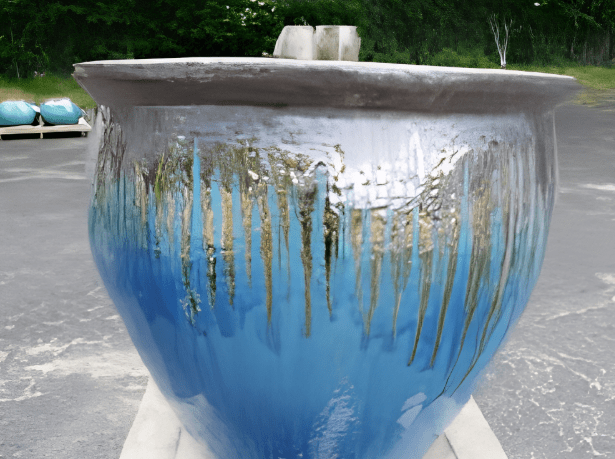
Terracotta: Timeless but More Specialized
Terracotta remains a popular choice when natural texture and traditional aesthetics are the priority. Its warm, classic appearance works especially well in courtyards, garden spaces, and hospitality environments where organic materials complement the design.
However, terracotta has limitations in commercial settings. It is significantly heavier than fiberglass and more prone to cracking in freeze-thaw environments. In New York’s seasonal climate, that can be a concern, especially in exposed outdoor installations.
Terracotta also requires more maintenance over time, particularly if consistency of appearance is important. While it performs beautifully in the right setting, it is often best suited for lower-traffic applications where design outweighs logistical concerns.
Best applications include courtyards, decorative hospitality spaces, and boutique retail environments.
Looking for classic style? Pottery King offers premium terracotta solutions for specialty commercial projects.
Metal: Modern Aesthetic with Structural Considerations
Metal planters are often specified for contemporary architectural projects because of their clean lines and premium appearance. Materials such as aluminum, Corten steel, and powder-coated steel are commonly used in commercial environments.
From a design perspective, metal delivers a strong visual statement. It works especially well in modern office campuses, luxury developments, and upscale retail spaces.
However, metal can become heavy depending on thickness and size, which may increase installation difficulty. It can also heat up significantly in direct sunlight and may require protective coatings to prevent corrosion or finish degradation over time.
Best applications include modern office spaces, architectural plazas, and premium retail developments.
Need modern planter solutions? Pottery King can help you specify metal options that align with your project goals.
Comparing the Key Decision Factors
Weight
If ease of transport and installation matter most, fiberglass is typically the strongest option. Its lightweight design helps reduce labor strain and simplifies logistics.
Terracotta and metal vary depending on thickness and size.
Weather Resistance
Fiberglass performs exceptionally well outdoors. They resist cracking, fading, and seasonal wear in demanding climates.
Metal performs well when properly coated but may require maintenance over time. Terracotta is the most vulnerable to freeze-thaw cracking in colder climates like New York.
Maintenance
Fiberglass generally offers the lowest maintenance requirements. It resists damage and retains its finish with minimal upkeep.
Terracotta and metal may require more ongoing attention depending on exposure and finish conditions.
Cost
Fiberglass often delivers the best overall lifecycle value because it balances durability, aesthetics, and installation savings.
Terracotta may offer lower upfront costs in smaller applications, but can lead to higher replacement rates. Metal often carries a higher upfront investment, depending on customization and scale.
Matching Materials to Project Type
For hospitality, fiberglass often offers the best mix of style, flexibility, and ease of movement.
For multi-family developments, fiberglass offers consistency, durability, and ease of installation across multiple spaces.
For retail, fiberglass and metal are common choices, depending on whether flexibility or architectural aesthetics are the priority.
For office campuses, fiberglass and metal both perform well, depending on design goals and budget.
In municipal and public spaces, fiberglass is often preferred for its durability and weather resistance.
Why Fiberglass Often Wins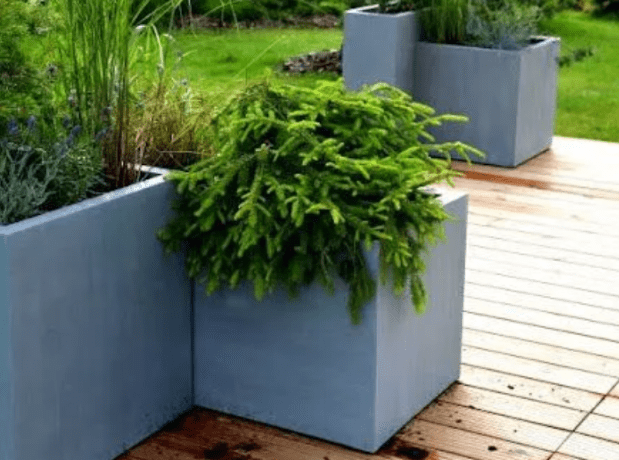
While every project has unique requirements, fiberglass remains the most versatile material for many commercial applications.
It offers a rare combination of lightweight efficiency, strong weather performance, lower maintenance, and premium aesthetics. For contractors and designers working in New York City, where labor efficiency and installation logistics matter, those benefits can create meaningful cost savings.
That is why fiberglass has become one of the most commonly specified materials in commercial planter design.
Let Pottery King Help You Specify Smarter
Choosing the right planter material should never be guesswork. The right specification can improve project efficiency, reduce long-term maintenance, and deliver better performance for your client.
At Pottery King, we help architects, contractors, designers, and developers source commercial planter solutions built for real-world success. Whether your project calls for fiberglass, terracotta, or metal, our team can help you make the right call.
Talk to Pottery King about your next project. Explore our commercial planter collections, request pricing, or let our team help you specify with confidence today.