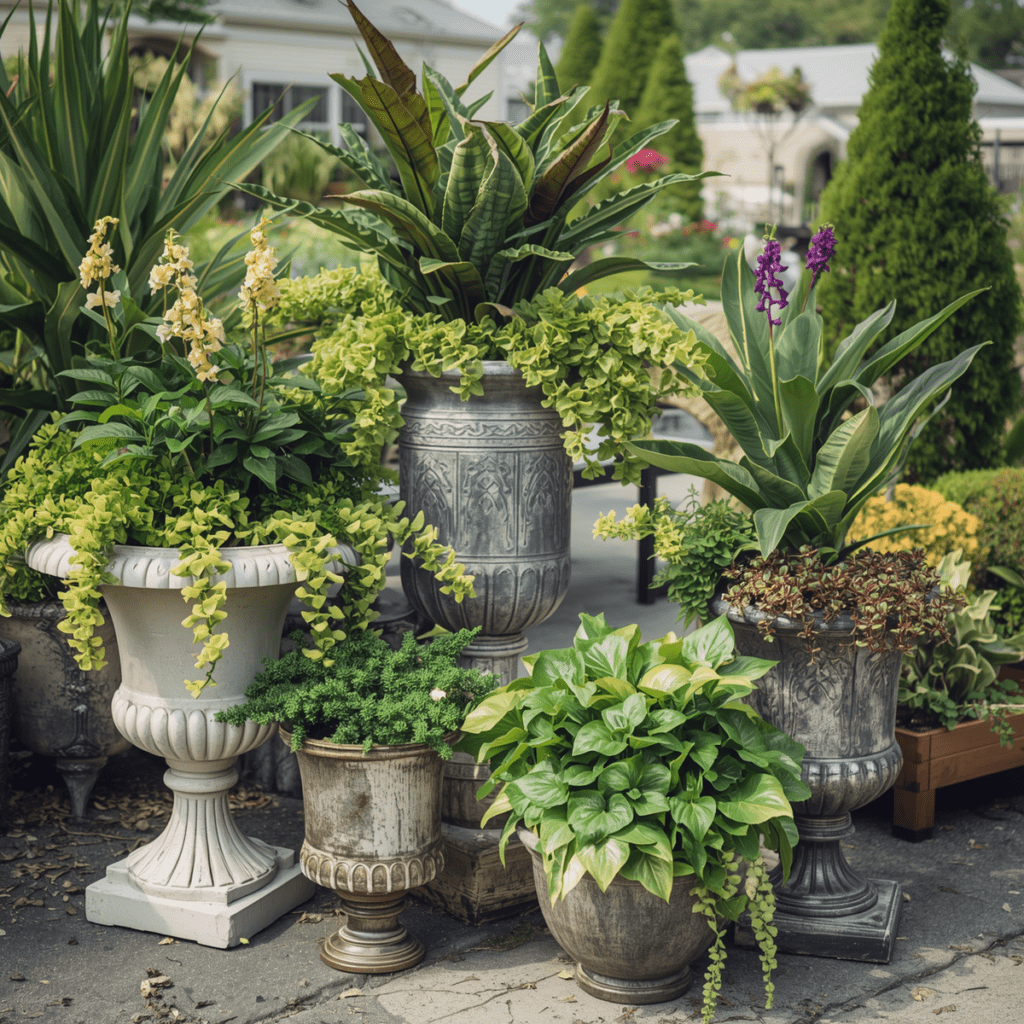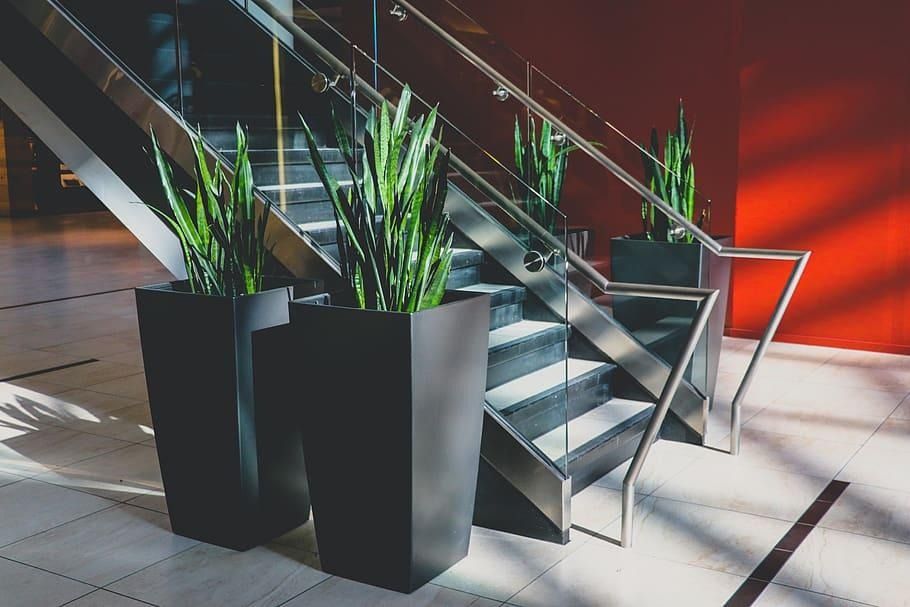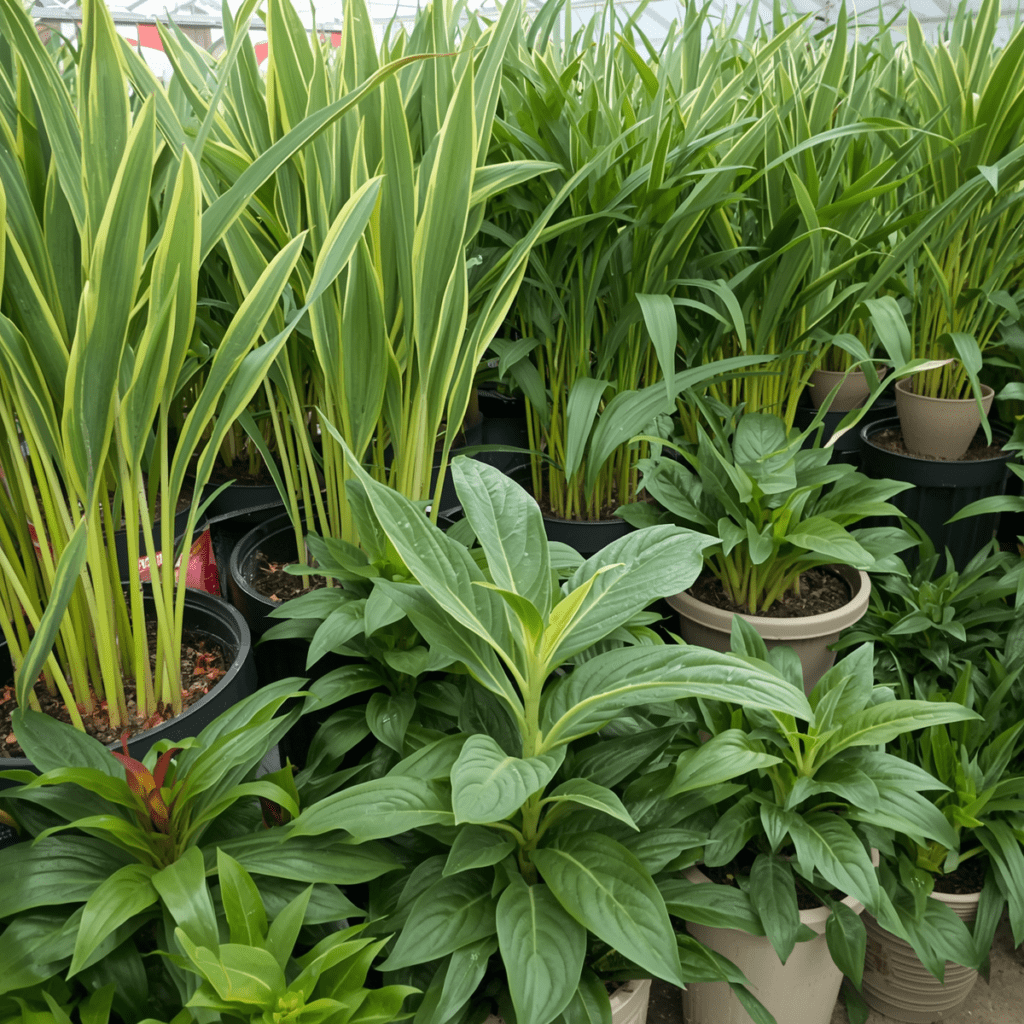
Protect Plant Health from the Ground Up
Commercial landscapes fail quietly when drainage systems and liner choices do not match the planter. Waterlogged soil suffocates roots, weak drainage invites rot, and incorrect liners trap moisture where plants need airflow.
Property managers, developers, and retail garden centers often invest in high-quality commercial planters yet overlook the drainage strategy that protects long-term Plant Health.
When drainage fails, plants decline, maintenance costs rise, and outdoor spaces lose their visual impact.
Strong drainage planning improves plant survival, reduces replacement costs, and protects the investment in commercial planters. The right liner and drainage setup supports healthy root systems, stabilizes moisture levels, and keeps rooftops, patios, and streetscapes looking vibrant.
Commercial buyers who follow a structured checklist can prevent common failures and extend the life of both plants and containers.
Browse Pottery King’s curated selection of statement planters, metallic finishes, and styling pieces designed specifically for venue installations and event spaces.
Why Drainage Determines Plant Health in Commercial Settings
Roots require oxygen as much as water. When containers hold excess moisture, roots suffocate and decay. Many commercial properties rely on irrigation systems or scheduled watering, which increases the risk of overwatering if drainage remains insufficient.
Commercial planters must allow excess water to exit quickly while retaining enough moisture for plant stability. Rooftop gardens and high-traffic urban installations face additional pressure from heavy rain, wind exposure, and fluctuating temperatures.
Without proper drainage holes and elevation strategies, water collects at the base of the container and weakens the entire planting.
Healthy drainage supports stronger roots, consistent nutrient absorption, and improved resilience during seasonal stress. Businesses that prioritize drainage protect their investment and maintain visual consistency across properties.
Understanding Drainage Requirements by Planter Material
Different materials require different drainage approaches. Commercial buyers should match liner systems and drainage methods to the planter material in use.
Fiberglass commercial planters typically arrive without pre-drilled drainage holes. Installers must determine hole placement based on location and irrigation needs.
Controlled drainage allows flexibility for indoor or rooftop installations. For outdoor use, properly drilled holes paired with elevated pot feet prevent standing water.
Terracotta and clay planters naturally allow some airflow through porous walls. However, these materials still require drainage openings to prevent saturation. Businesses should monitor moisture levels closely in colder climates because trapped water can freeze and expand.
Resin commercial planters often include molded drainage points that installers can open as needed. This design provides versatility across projects. Commercial teams should confirm that opened drainage paths remain clear of debris and soil compaction.
Matching drainage solutions to material type supports the health of plants while preserving the integrity of the planter.
The Role of Liners in Commercial Installations
Liners create structure within commercial planters and simplify plant rotation. Many businesses use drop-in liners to reduce soil volume, control weight, and improve maintenance efficiency. However, improper liner use can compromise drainage.
A liner must allow water to exit at the same rate as the planter. When a liner lacks adequate openings, water collects between the liner and the container wall. This trapped moisture encourages root rot and reduces oxygen availability.
Commercial buyers should select liners with built-in drainage holes that align with the planter base. Elevating liners slightly above the planter floor improves airflow and prevents direct contact with pooled water. Lightweight liner systems also reduce rooftop load, which supports structural compliance.
Proper liner selection protects plant roots while making seasonal updates faster and more cost effective.
Rooftop Considerations for Drainage and Weight Control
Rooftop gardens demand special attention. Water adds significant weight to any container, especially after heavy rainfall. Poor drainage increases structural stress and complicates long-term maintenance.
Commercial planters installed on rooftops should include drainage layers such as gravel or specialized drainage mats beneath the soil. These layers promote consistent water flow and prevent soil compaction at the base.
Businesses should also verify that rooftop surfaces slope toward building drainage systems. Even well-designed commercial planters cannot compensate for flat surfaces that trap runoff.
Coordinating planter drainage with building infrastructure strengthens the plants health and protects the structure.
Lightweight fiberglass planters paired with efficient liners and drainage layers offer a reliable solution for rooftop installations. This combination reduces excess weight while maintaining optimal root conditions.
Preventing Root Rot and Soil Compaction
Root rot remains one of the most common causes of plant failure in commercial settings. Excess water and compacted soil create an environment where pathogens thrive. Once rot begins, recovery becomes difficult and expensive.
Commercial buyers can prevent this issue by using high-quality potting mixes designed for container planting. Soil blends that include perlite or similar materials improve aeration and water movement.
Regular inspection of drainage holes ensures that roots and debris do not block water flow.
Routine maintenance teams should check moisture levels before watering. Many irrigation systems operate on fixed schedules, but seasonal adjustments reduce overwatering.
Proper drainage combined with attentive watering practices strengthens plant health and reduces plant replacement frequency.
Matching Drainage Strategies to Plant Types
Different plants require different moisture levels. Tropical species tolerate higher humidity, while succulents demand rapid drainage. Commercial buyers should align planter drainage setups with plant selection.
Deep-rooted shrubs benefit from containers with ample drainage holes and soil depth. Shallow-rooted annuals may require less soil but still need consistent moisture control. Installing adjustable liners allows flexibility for plant rotation without replacing entire commercial planters.
Retail Garden Centers advising commercial clients should evaluate plant requirements alongside planter material and location. Coordinated planning ensures that drainage supports both plant survival and aesthetic goals.
Seasonal Maintenance Checklist for Commercial Buyers
Seasonal changes impact drainage performance. Fall leaves, winter debris, and spring planting cycles can block openings or compact soil.
Commercial teams should inspect drainage holes at least twice per year. Clearing debris and confirming water flow prevents unexpected plant decline. In colder climates, removing excess water before freeze events protects both plant roots and planter walls.
Replacing worn liners and refreshing soil every few seasons restores drainage efficiency. Consistent inspections protect long-term health and reduce emergency replacements.
Creating a Standardized Drainage Protocol Across Properties

Multi-property operators benefit from consistent drainage standards. Standardizing liner types, soil blends, and drainage practices simplifies procurement and training.
Commercial buyers can develop a checklist that includes verifying drainage holes, confirming liner alignment, inspecting soil composition, and testing water flow after installation. This structured approach ensures that every planter performs reliably.
Standardization reduces uncertainty for maintenance teams and strengthens long-term performance across rooftops, courtyards, and streetscapes.
Building Long Term Plant Health Through Smart Planning
Plant Health begins with proper drainage and liner selection. Commercial planters represent a visible investment in branding, tenant satisfaction, and environmental quality. Businesses that overlook drainage compromise both appearance and financial return.
When drainage systems function properly, plants thrive, roots remain strong, and maintenance costs decline. Commercial buyers gain predictable performance and consistent visual appeal across properties.
Strong planning connects planter material, liner design, soil composition, and watering schedules into one cohesive strategy. This coordinated approach supports plant survival in demanding urban environments and protects the structural integrity of rooftop and ground-level installations.
Build a Reliable Drainage Strategy for Long Term Performance
Poor drainage silently damages roots and shortens the life of even the highest quality commercial planters. Thoughtful liner selection, material-specific drainage rules, and consistent maintenance dramatically improve the health of your plants and the plant survival rates.
Businesses that implement structured drainage guidelines protect their landscape investments and reduce costly replacements. Pottery King helps commercial buyers select the right commercial planters, drainage solutions, and liner systems for every environment.
Contact Pottery King to ensure your next installation supports long-term Plant Health and delivers reliable performance across every property.