

Choose the Right Planters for Every Environment
Choosing planters based on appearance alone often leads to problems once they are in use. Indoor and outdoor environments impose very different demands on materials, drainage, and durability, which many teams overlook when selecting.
When the wrong planter is used, issues follow quickly. Indoor containers without proper drainage can damage floors and create ongoing maintenance headaches. Outdoor planters made from low-quality materials can crack, fade, or fail under sun, moisture, and temperature changes. These mistakes lead to plant decline, frequent replacements, and higher long-term costs.
Selecting the right planter for the environment solves these challenges. Proper materials, drainage, and construction improve plant health, reduce maintenance, and ensure consistent performance across your space.
Need help getting it right the first time? Connect with the Pottery King team to choose planters that match your environment, design, and long-term goals.
Outdoor Planters Must Withstand Environmental Stress
Outdoor environments expose planters to constant weather changes. Sunlight, rain, humidity, and seasonal temperature shifts all affect material performance.
Low-quality containers often fade under UV exposure or crack during freeze-thaw cycles. Moisture can weaken porous materials, leading to structural failure over time.
Commercial outdoor planters must resist these conditions while maintaining their appearance. Fiberglass, reinforced terracotta, and high-performance resin offer durability and weather resistance for long-term use.
Reliable outdoor containers protect plant roots while maintaining structural integrity across seasons. Businesses avoid frequent replacements and keep outdoor spaces looking consistent year-round.
Indoor Planters Require Controlled Moisture Management
Indoor environments introduce different challenges. While planters are protected from the weather, improper drainage can create serious issues for flooring, furniture, and surrounding surfaces.
Containers without proper liners or drainage systems may leak water, leading to stains, warping, or costly repairs. Overwatering also affects plant health, causing root damage and decline.
Commercial indoor planters should include controlled-drainage solutions or liner systems to protect interior spaces. Consistent interior dimensions also support proper soil depth and root growth.
Well-designed indoor planters create clean, professional environments while supporting healthy plant systems. Businesses maintain polished interiors without risking damage to surrounding materials.
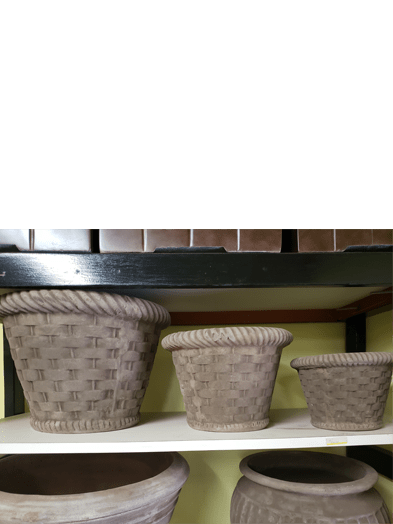


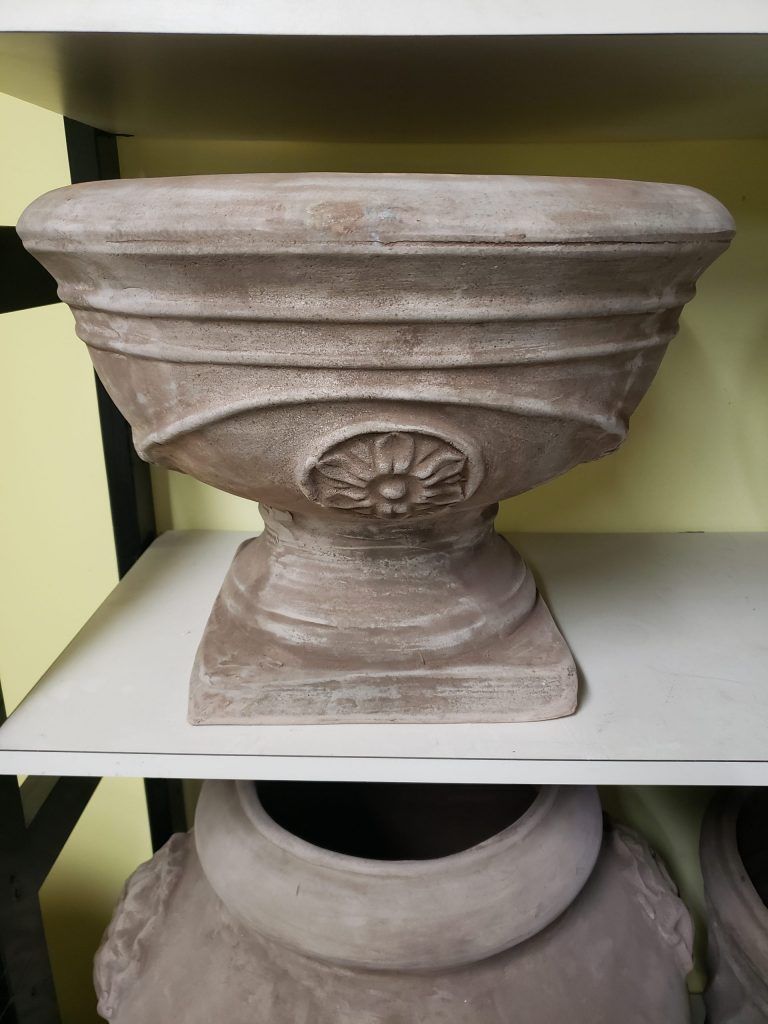
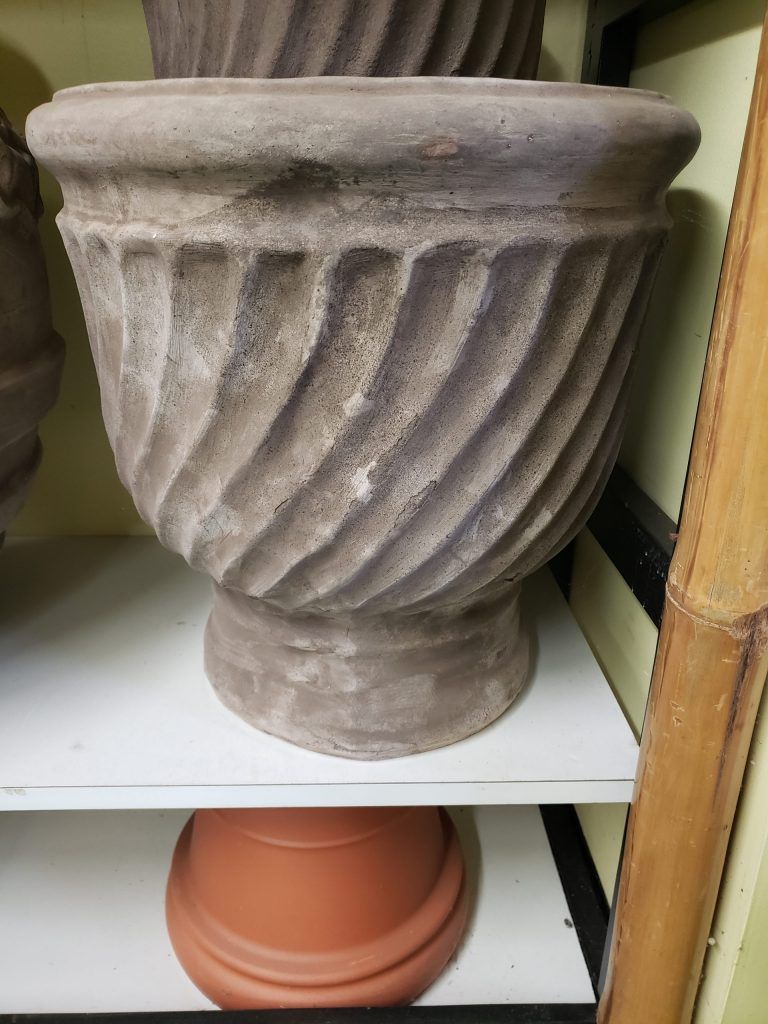
Weight Considerations Vary by Environment
Weight plays a different role depending on placement. Outdoor installations often benefit from added stability, especially in high-wind areas or open spaces.
However, excessive weight can create challenges for rooftops, balconies, or elevated structures. Heavy materials also complicate transportation and installation.
Indoor spaces typically require lighter planters to protect flooring and simplify movement during maintenance or layout changes.
Lightweight commercial planters provide flexibility in both environments. Fiberglass options offer strength without excessive weight, making them suitable for indoor and outdoor applications alike.
Balanced weight improves safety, simplifies installation, and reduces strain on structures.
Material Selection Determines Long-Term Performance
Material choice is one of the most important factors when selecting planters. Indoor and outdoor environments demand different levels of durability and resistance.
Outdoor planters require UV resistance, moisture protection, and the ability to handle temperature fluctuations. Indoor planters prioritize clean finishes, controlled drainage, and compatibility with interior design.
Fiberglass stands out as a versatile solution that performs well in both environments. It resists fading, cracking, and moisture damage while maintaining a consistent appearance.
Reinforced terracotta offers a natural look with added durability for outdoor use, while high-performance resin provides a cost-effective option for large-scale installations.
Selecting the right material ensures that planters maintain their appearance and function over time.
Design Consistency Across Indoor and Outdoor Spaces
Many commercial properties feature both indoor and outdoor areas that require a cohesive design. Inconsistent planter styles can disrupt the overall aesthetic and weaken brand presentation.
Coordinated planter collections allow businesses to maintain visual continuity across entrances, lobbies, patios, and exterior spaces. Matching shapes, finishes, and proportions creates a unified look.
Rectangular planters define walkways and seating areas, while tall containers frame entrances and transitions between spaces. Round planters soften architectural lines and add visual balance.
Consistent design strengthens branding and creates a seamless experience for visitors, tenants, and customers.
Installation and Placement Considerations
Proper placement ensures that planters perform as intended. Outdoor containers must account for drainage, sun exposure, and wind conditions. Positioning planters incorrectly can lead to water buildup or plant stress.
Indoor installations require attention to flooring protection, accessibility, and maintenance routines. Planters should be placed where they enhance the space without creating obstacles or hazards.
Lightweight materials simplify installation in both environments. Crews can position containers efficiently without risking damage to surfaces or surrounding structures.
Thoughtful placement improves both functionality and visual impact.
Maintenance Requirements Differ by Use Case
Maintenance needs vary between indoor and outdoor planters. Outdoor containers require periodic cleaning to remove dirt, debris, and environmental buildup.
Indoor planters demand more controlled care, particularly with watering and drainage management. Overwatering or improper liner use can lead to long-term issues.
Durable materials reduce maintenance across both environments. Smooth finishes allow for easy cleaning, while high-quality construction minimizes the need for repairs.
Lower maintenance requirements help teams maintain professional spaces without increasing labor demands.
Avoid Common Planter Selection Mistakes
Many planter issues stem from using the wrong container in the wrong environment. Indoor planters placed outdoors often fail quickly due to weather exposure.
Outdoor planters used indoors without proper drainage can damage interiors and create maintenance challenges.
Other common mistakes include selecting incorrect sizes, ignoring weight limitations, or choosing inconsistent styles across spaces.
Clear planning and proper material selection help businesses avoid these issues. Teams that understand environmental requirements can choose planters that perform reliably from the start.
Select Planters that Match the Environment
Indoor and outdoor spaces require different solutions, but both benefit from durable, well-designed commercial planters. Choosing the right container improves plant health, protects surrounding surfaces, and reduces long-term costs.
Strong materials, proper drainage, and consistent design create spaces that function efficiently and look professional year-round.
Pottery King provides commercial planters designed for both indoor and outdoor applications, helping businesses simplify selection and achieve reliable results.
Contact Pottery King to explore planter options that match your environment, project goals, and long-term performance needs.