

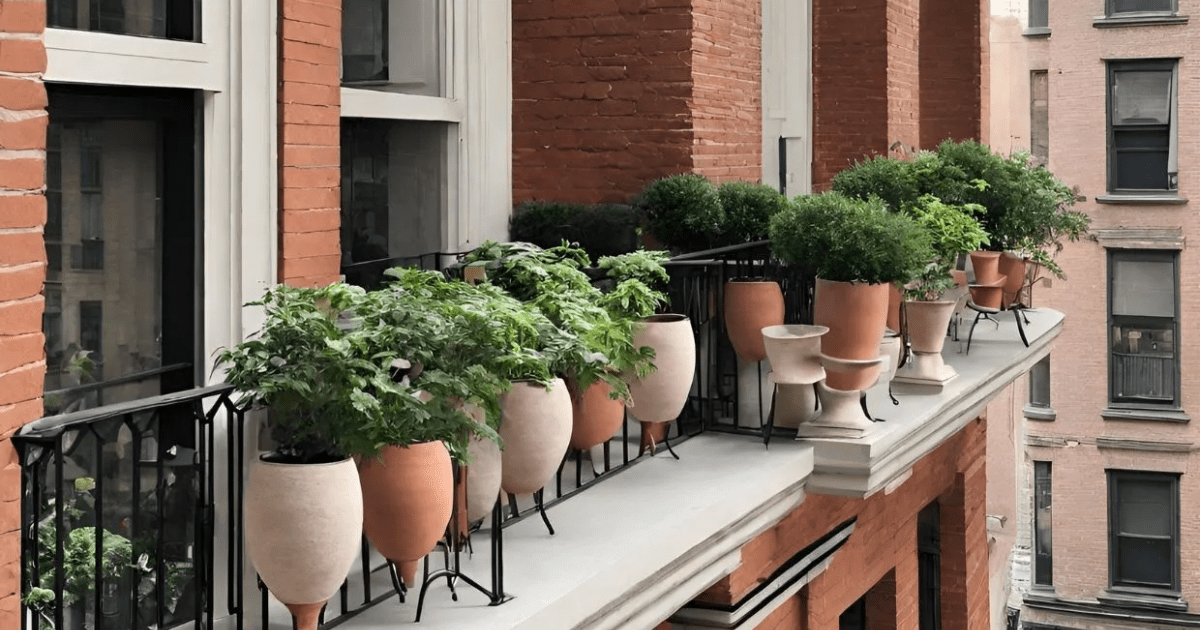
Rooftop spaces across New York City are no longer an afterthought. They are central to modern commercial design, especially in hospitality, residential developments, and mixed-use buildings.
But while rooftop planting can elevate a space visually and functionally, it also introduces a critical challenge: weight.
For architects, designers, and project managers, every decision must balance aesthetics with structural limitations. The wrong materials or layout can create unnecessary stress on the building, delay approvals, or require costly redesigns. This guide breaks down how to approach rooftop planting with weight sensitivity in mind, while still achieving a high-impact, professional result.
Pottery King provides fiberglass planter systems designed to support rooftop installations without compromising design intent. Request a quote or contact us today to explore options built for performance, safety, and commercial-scale efficiency.
Understanding Structural Load Limits
Before selecting planters or greenery, it is essential to understand the building’s load capacity. Rooftop spaces are designed with specific weight limits, typically expressed in pounds per square foot. These limits account for everything placed on the roof, including furniture, equipment, planters, soil, and foot traffic.
Ignoring these constraints can lead to serious issues during the approval process or even after installation.
Key considerations include:
- Total dead load (permanent elements like planters and soil)
- Live load (temporary weight, such as people and movable items)
- Weight distribution across the surface
- Structural reinforcements or limitations unique to the building
Working closely with structural engineers early in the design phase helps ensure your plan aligns with these requirements.
Load Distribution Matters as Much as Total Weight
Even when staying within overall weight limits, poor distribution can create pressure points that stress specific areas of the roof. Concentrated loads, such as clusters of heavy planters, can lead to structural concerns or require additional reinforcement.
Best practices for load distribution:
- Spread planters evenly across the space
- Avoid grouping excessive weight in one area
- Use modular layouts to balance loads
- Position heavier elements near structural supports when possible
Designing with distribution in mind not only improves safety but also increases the likelihood of faster project approvals.
Choosing Lightweight Materials Is Critical
Material selection plays one of the most important roles in the success of rooftop planting. Traditional materials like concrete, stone, or ceramic can quickly exceed weight limits, especially when combined with soil and irrigation systems.
This is where fiberglass becomes a practical solution.
Why fiberglass is ideal for rooftop applications:
- Significantly lighter than concrete or stone
- Durable enough for long-term outdoor exposure
- Resistant to cracking, chipping, and weather damage
- Available in a wide range of sizes and finishes
By reducing the base weight of each planter, fiberglass allows designers to incorporate larger or more impactful greenery without compromising structural safety.
At Pottery King, fiberglass planters are a go-to solution for rooftop projects across NYC because they meet both design and engineering requirements.
Soil and Plant Selection Also Impact Weight
Planters are only part of the equation. Soil and plant choices can significantly increase the total load if not carefully considered.
To manage weight effectively:
- Use lightweight soil mixes designed for rooftop or container planting
- Select plants that thrive in shallow or controlled root environments
- Avoid oversized plantings that require excessive soil volume
- Consider drought-tolerant or low-maintenance greenery
These decisions help keep total weight down while maintaining a healthy and visually appealing landscape.
Drainage Is Essential for Performance and Safety
Improper drainage can add unexpected weight and lead to long-term damage. Water retention in planters increases load and can create issues for both plants and the building structure.
Key drainage considerations:
- Ensure all planters have proper drainage holes
- Use liners or internal systems to manage water flow
- Prevent water pooling on the rooftop surface
- Coordinate with building drainage systems
Fiberglass planters are particularly effective here because they are non-porous, helping control how water moves through the container without absorbing excess moisture.
 Designing for Wind and Exposure
Rooftops in NYC are exposed to stronger winds and more intense weather conditions than ground-level spaces. Lightweight materials must still be stable enough to remain secure in these environments.
Design strategies include:
- Selecting planter sizes that provide stability without excessive weight
- Positioning planters in wind-conscious layouts
- Incorporating plantings that can withstand exposure
- Anchoring or securing planters when necessary
Fiberglass offers a balance between weight reduction and durability, making it easier to adapt to these conditions without overloading the structure.
Simplifying the Approval Process
Rooftop projects often require approvals from building management, engineers, or city agencies. Designs that clearly address weight, distribution, and safety are more likely to move smoothly through this process.
To streamline approvals:
- Provide detailed specifications for planter materials and weights
- Include layout plans that demonstrate proper distribution
- Highlight the use of lightweight materials like fiberglass
- Coordinate early with engineers and project stakeholders
Being proactive about these details reduces back-and-forth revisions and helps keep projects on schedule.
Why Fiberglass Is the Safest Commercial Choice
When all factors are considered, including weight, durability, flexibility, and performance, fiberglass stands out as one of the safest and most efficient materials for rooftop planting in NYC.
It allows designers to achieve the desired aesthetic without exceeding structural limits. It simplifies transportation and installation. And it supports long-term performance in challenging rooftop environments.
For commercial projects where timelines, budgets, and approvals all matter, these advantages make a measurable difference.
Plan Smarter for Rooftop Success
Rooftop planting offers significant value, from increased usable space to improved tenant experience. But success depends on making informed decisions from the start.
By focusing on load management, material selection, drainage, and layout, architects and designers can create rooftop environments that are both visually impactful and structurally sound.
If you are planning a rooftop project in NYC, working with an experienced supplier can help simplify the process. Pottery King provides lightweight fiberglass planter solutions, reliable inventory, and the expertise needed to support weight-sensitive commercial designs.
Request a quote from Pottery King today to start building a rooftop space that performs as well as it looks.
Toggle title
Toggle content goes here, click edit button to change this text.