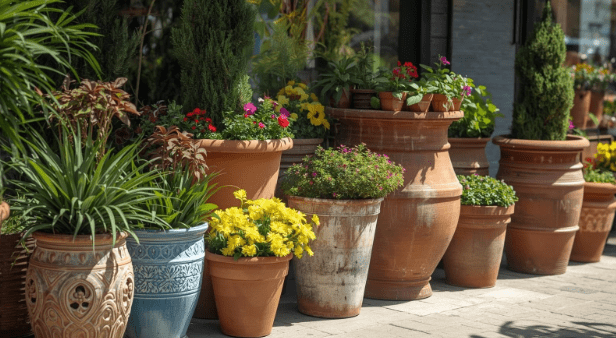
Earth Day in New York City is a reminder that even in one of the most built-up environments in the world, nature still has a place. Parks, sidewalks, rooftops, storefronts, and courtyards all play a role in how the city breathes.
For designers, contractors, and property managers, it’s also a moment to consider how those green spaces are built and how long they last once installed.
Sustainability in landscaping isn’t just about what gets planted. It’s also about the materials used to support those plants, how often they need to be replaced, and the impact of constant manufacturing, shipping, and disposal. When a planter cracks after one winter or fades after a single season, it’s a waste issue, too.
At Pottery King, Earth Day is less about a single date on the calendar and more about how materials perform over time. In a city where outdoor spaces are constantly exposed to weather, traffic, and change, durability becomes one of the most practical forms of sustainability. Call or request a quote today!
Why Longevity Matters for Sustainability
One of the most overlooked aspects of sustainable design is lifespan. A product that needs to be replaced every year creates more waste, more shipping demand, and more disruption than one built to last through multiple seasons.
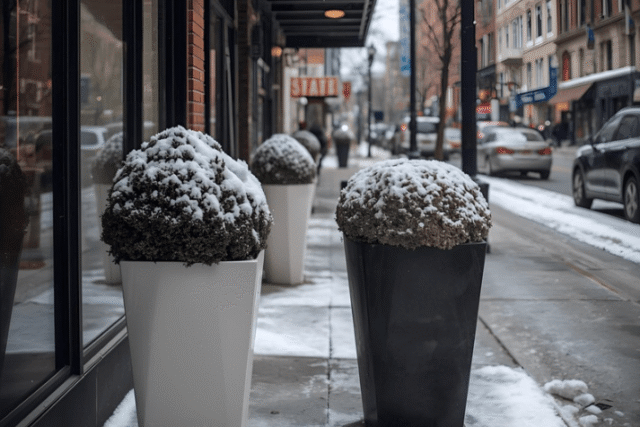
In NYC, planters are rarely in controlled environments. They sit on rooftops exposed to wind and sun, line busy sidewalks, frame restaurant patios, and anchor commercial entrances.
That kind of exposure adds up quickly. Materials that can’t withstand those conditions tend to degrade quickly, leading to frequent replacements and a higher long-term environmental impact.
Choosing products built for longevity reduces that cycle. Fewer replacements mean less manufacturing demand, less freight movement, and less material ending up in landfills. It’s a simple shift, but one that adds up across large-scale projects and multi-site properties.
Material Choice and Environmental Impact
Not all planter materials age the same way. Traditional options like concrete, stone, or lower-grade ceramics can have strong visual appeal, but they often come with trade-offs in weight, durability, and lifecycle performance. Once they crack or chip, they’re usually replaced entirely rather than repaired.
A practical alternative in many commercial settings is fiberglass, as it extends the usable life while reducing some of the logistical strain imposed by heavier materials. Its lighter weight makes transportation and installation more efficient, reducing fuel use and labor requirements during setup.
At the same time, its durability helps reduce breakage during handling and repositioning.
While no material is completely impact-free, choosing one that lasts longer and performs more consistently can reduce the overall environmental footprint of a project over time.
Designing for Reuse, Not Replacement
One of the biggest shifts happening in commercial landscaping is the move toward reuse and flexibility. Instead of treating planters as disposable elements tied to a single season or design trend, more contractors and designers are choosing pieces that can adapt over time.
That might mean repositioning planters between projects, reusing them across seasonal installations, or maintaining a consistent base design while updating plant selections throughout the year. When the container itself is built to hold up, the surrounding design can evolve without requiring a full reset.
This approach also makes large-scale planning more efficient. For project managers overseeing multiple sites, durable, reusable planters reduce the need for frequent reordering and simplify long-term maintenance planning.
Green Spaces That Work Harder in NYC
In New York City, green spaces are ideally considered functional. A planter might define an outdoor dining area, guide pedestrian flow, soften a building entrance, or add privacy to a rooftop lounge. These spaces are working environments as much as they are visual ones.
As a result, materials need to perform under pressure. High foot traffic, constant exposure to weather, and frequent cleaning all take a toll. If a planter can’t withstand those conditions, it becomes a recurring maintenance issue rather than a design asset.
Earth Day is a good reminder that sustainability also includes how efficiently a space operates over time. A well-designed outdoor area should require less intervention, not more.
Small Design Decisions With Long-Term Impact
Sustainability is often framed as a large-scale initiative, but in practice, it’s shaped by the smaller decisions made on individual projects. Choosing materials that last longer, reducing unnecessary replacements, or planning layouts that allow for reuse all contribute to a more efficient system overall.
Even spacing and placement can play a role. Thoughtfully designed planter arrangements can reduce overuse, prevent overcrowding, and make maintenance more manageable throughout the year. When combined with durable materials, those decisions help extend the life of the entire installation.
These choices also create consistency. A reliable material base makes it easier to replicate successful designs without starting from scratch each time.
Building Smarter Outdoor Environments
Earth Day is about many things, and you can focus on building smarter environments where those green elements can thrive longer with less waste. In a city like New York, where space is limited and conditions are demanding, that mindset matters even more.
At Pottery King, the focus is on providing planters that support that approach. Durable materials, consistent finishes, and practical sizing options help contractors and designers build spaces that last beyond a single season.
When materials hold up over time, the design itself becomes more sustainable by default.
A Practical Approach to Earth Day
Sustainability doesn’t always require a complete redesign or major overhaul. Sometimes it starts with choosing materials that reduce waste over time and support more efficient project cycles. In commercial landscaping, that often comes down to durability, consistency, and ease of use.
As Earth Day comes around each year, it’s worth looking at the spaces being built across the city and asking a simple question: how long will they last, and what will it take to maintain them?
The longer a space performs without needing replacement, the lower its overall impact becomes.
Designing for What Comes Next
Green spaces in NYC are constantly evolving. New storefronts open, rooftops get redesigned, and public areas are reimagined every season. The challenge is building something that can adapt and endure over time.
That’s where material choice becomes part of the design strategy. When planters are built for longevity and flexibility, they support not just the current project, but the ones that follow.
This Earth Day, the goal isn’t perfection. Progress is building outdoor spaces that last longer, use less, and continue to serve the city well beyond the season in which they were installed.
If you’re planning spring installations or sourcing materials for upcoming projects, Pottery King can help you choose durable, design-forward planters that hold up season after season. Reach out today to request a quote, explore options, and get support on selecting the right materials for your space before the spring rush hits.