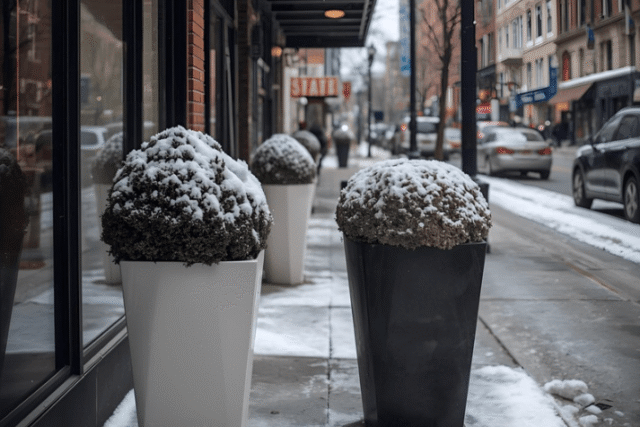
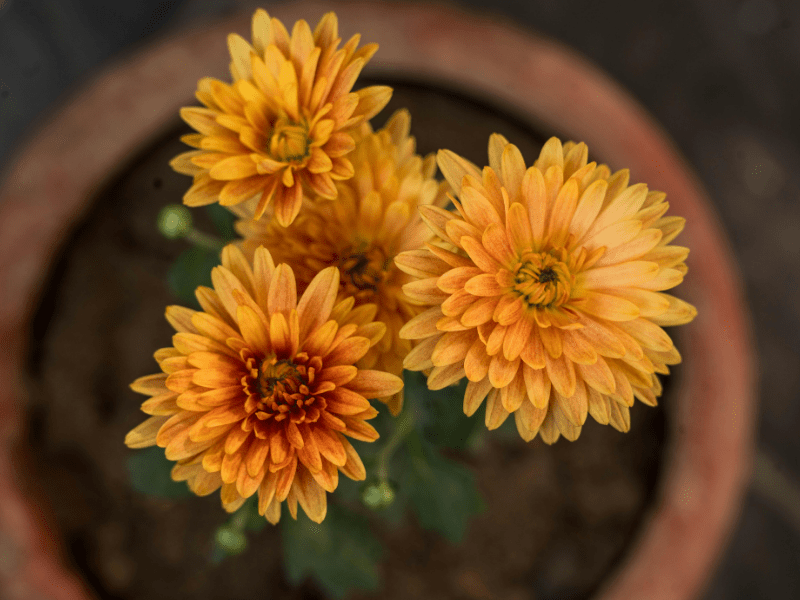
A planter does more than hold a plant. The materials surrounding your roots influence how quickly moisture leaves the soil, how much air reaches the root zone, how often plants need watering, and how well a container performs in a commercial landscape. For NYC business owners, choosing the wrong planter material can create unnecessary maintenance problems, especially when seasonal weather changes the moisture balance around your plants.
We offer fiberglass, terracotta, and ceramic planters because each material interacts differently with soil and moisture. Understanding those differences can help you match the container to the plant, location, and maintenance schedule instead of treating every planter as interchangeable. Our fiberglass planters provide a lightweight, durable option, while our terracotta and garden pottery offer different levels of porosity, appearance, and planting performance.
Order your planters from Pottery King today.
Why Planter Materials Matter for Plant Health
A plant’s roots need the right balance of water and oxygen. Soil that stays saturated for too long can limit airflow around the roots, while soil that dries too quickly can leave plants struggling between watering cycles.
The planter itself influences that balance. Porous materials let moisture move through the container walls, while non-porous materials keep water contained within the soil and drainage system. That difference matters most for commercial properties, where planters may sit in direct sun, beneath covered areas, on rooftops, or along exposed sidewalks.
The right materials can also make maintenance more predictable. When you know how a container handles moisture, you can select appropriate soil, drainage, plants, and watering schedules for the location.
How Fiberglass Interacts With Soil and Moisture
Fiberglass takes a different approach. Unlike porous terracotta, fiberglass does not absorb moisture through the container walls. Pottery King’s fiberglass guidance describes the material as non-porous, helping keep water within the planting environment rather than allowing it to escape through the planter itself.
That means drainage and soil composition become especially important. Since moisture does not move through the walls, excess water needs a clear path out through the planter’s drainage system.
Fiberglass Creates More Consistent Moisture Management
For commercial properties, that predictability can make fiberglass useful when consistent watering matters. Plants are less dependent on moisture escaping through the container itself, giving the soil and drainage system greater control over the root environment.
Fiberglass also provides practical benefits for NYC businesses. Our planters are lightweight, durable, and designed for outdoor use, while many are suitable for NYC rooftop applications where weight restrictions matter. They resist cracks, chips, and fading, which can reduce the disruption of replacing damaged containers.
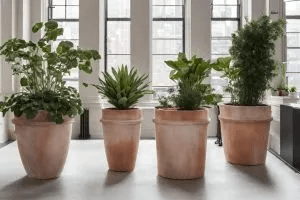
How Terracotta Interacts With Soil and Moisture
Terracotta is naturally porous, making it one of the most noticeable material choices for moisture management. Water can move through the walls of an unglazed terracotta container, allowing moisture to evaporate more readily than it would from a non-porous planter. Pottery King’s guidance describes terracotta as a good choice for plants that prefer drier soil and notes that its porosity can help aerate the soil around roots while keeping it moist.
When Terracotta Can Benefit Plants
Plants that dislike consistently wet soil can benefit from the breathability of terracotta. The material can help prevent the soil from remaining saturated when the container has appropriate drainage, and the plant receives suitable watering.
That makes terracotta particularly appealing for businesses creating Mediterranean-inspired landscapes, rustic displays, herb plantings, and other arrangements where a drier root environment suits the selected plants.
Terracotta Requires More Attention to Moisture
The same porosity that can benefit roots can also mean more frequent watering. A terracotta container may lose moisture through its walls, particularly in warm, dry, or windy conditions. Business owners should keep this in mind when placing containers where staff cannot water plants frequently.
Winter also requires additional consideration. Because terracotta can absorb water, freezing temperatures can cause cracking. Pottery King’s guidance recommends moving terracotta into sheltered areas, elevating containers to prevent water pooling, or choosing frost-resistant fiberglass for year-round outdoor use in colder climates.
Order your planters from Pottery King today.
How Ceramic Planters Affect Plant Health
Ceramic planters add another layer of consideration because ceramic can range from more breathable unglazed surfaces to less porous glazed finishes. That means businesses should consider the specific ceramic planter rather than assuming every ceramic container manages moisture in the same way.
Unglazed ceramic can offer some natural breathability, similar to terracotta, while glazed ceramic creates a less porous surface. Pottery King’s garden pottery uses first-quality, frost-resistant glazes, giving commercial customers decorative options for outdoor applications.
Glazed Ceramic Helps Retain More Moisture
A glazed ceramic planter generally limits moisture movement through the container walls. As a result, watering and drainage become particularly important because the soil relies more heavily on the drainage opening and soil mix to release excess water.
This can work well for plants that prefer more consistent moisture, as long as the container has appropriate drainage and the watering schedule matches the plant’s needs.
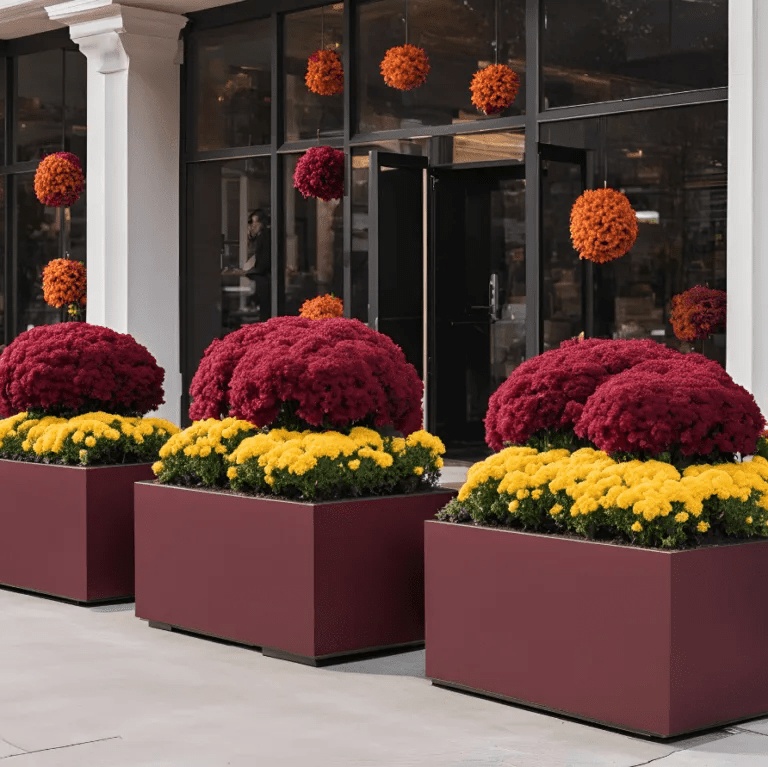
Ceramic also brings visual benefits to commercial landscapes. Color, glaze, and decorative finishes can make the container part of the overall design, which can be valuable for restaurants, hotels, retail spaces, offices, and other businesses where landscaping contributes to the customer experience.
Match the Planter Material to the Plant and Location
Choosing between materials should start with the plant’s needs and the environment rather than appearance alone. Consider:
- Plants that prefer drier soil: Unglazed terracotta can provide greater moisture movement through the container.
- Plants that need steadier moisture: Glazed ceramic or fiberglass can help retain moisture within the planting environment.
- High-maintenance watering locations: Fiberglass can offer more predictable moisture retention than porous materials.
- Exposed NYC landscapes: Fiberglass provides a durable option for demanding outdoor conditions.
- Decorative commercial displays: Glazed ceramic offers color and finish options that can become part of the overall landscape design.
- Rooftop installations: Lightweight fiberglass can help address weight restrictions while maintaining a substantial visual presence.
The soil still matters as much as the container. A well-selected planter cannot compensate for compacted soil, inadequate drainage, or a watering schedule that does not match the plant’s needs.
Our Experience Helps You Choose the Right Materials
We have supplied landscapers, garden centers, construction companies, nurseries, growers, and other professionals since 1997. Our 60,000-square-foot facility carries a large inventory of wholesale pottery and planters, giving commercial customers access to different materials, shapes, sizes, and finishes for different applications.
Our experience with commercial planters also helps us understand that the best material depends on more than aesthetics. Plant requirements, moisture levels, soil, location, maintenance, weather exposure, and the property’s design all need to work together.
For businesses managing multiple properties or large landscape installations, choosing the right material from the beginning can also reduce unnecessary replacements. Wholesale purchasing also helps control project costs while maintaining consistency across a commercial landscape.
Create Healthier Plantings With the Right Planter
Terracotta, ceramic, and fiberglass each change the relationship between the plant, moisture, and soil. Terracotta’s porous structure can encourage moisture movement and suit plants that prefer drier conditions. Glazed ceramic retains more moisture while offering decorative versatility. Fiberglass offers a non-porous planting environment along with lightweight, durable construction for demanding commercial applications.
Understanding these differences lets NYC business owners choose containers based on how their plants actually need to grow, rather than selecting materials based only on appearance. That can make watering more manageable, support healthier root environments, and help commercial landscapes stay attractive with less unnecessary maintenance.
We can help you source the materials and quantities that fit your project, whether you need decorative garden pottery, terracotta, or durable fiberglass planters for a demanding outdoor installation. Create landscapes that last and require little maintenance, reducing replacement costs and helping you source wholesale planters at better per-unit pricing.
Order your planters from Pottery King today.